Connect with experienced Long Island painting
High-quality professional painting is essential for the visual appeal and protection of any residential or commercial space.
We connect you with local painters who specialize in residential and commercial interior and exterior painting. Our network of painting contractors takes pride in offering quality workmanship, customer service, and top-of-the-line products.
Our network of professional painting contractors offer an array of services including:
- Interior and exterior painting
- Light carpentry repair
- Drywall repair
- Deck staining & sealing
- Power washing
- Stucco repairs & painting
- Wallpaper removal
- Popcorn ceiling removal
- Color consultation
- And more!
Why Choose Our Long Island Painters?
Local estimates
Whether you’re a homeowner or a commercial contractor, you’d like to get an estimate to have a clear idea about the financial aspects of the project at hand. Once you contact us, our Long Island painting contractors get to work, creating an estimate for you.
Get in touch with one of our representatives to get a quote on your commercial or residential paint job.
Contact Us TodayCustomer satisfaction
At the end of the day, our partners’ mission is to satisfy you. They ensure that by taking on your Long Island house painting project with matchless commitment. From interior painting to drywall repairs, our exterior painting contractors do every task to our exacting standards.
Our contractors work hard to get the job done quickly and efficiently, so you don’t have to worry about disruptions to your daily life. They also provide detailed clean up services to ensure your home looks perfect when they’re done.
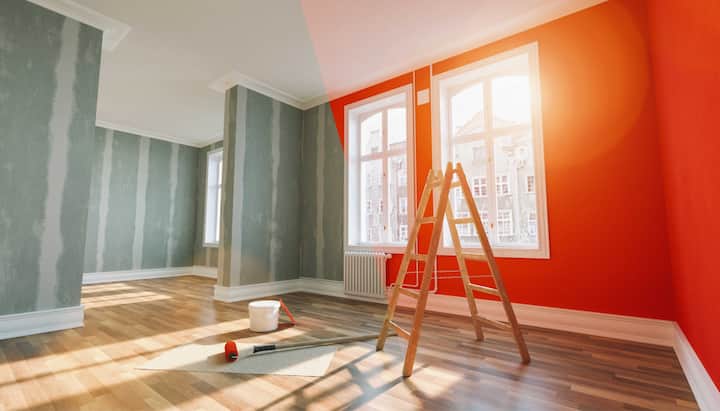
Interior painting
From picking the paint color to choosing the right finish, our network of interior painters assists you at every step of the way.
If it’s your first time getting a room painted, our team of professional interior painters will work with you to help ease the color selection process for you.
As our partners use premium-quality paints, the paint job will last a long time, saving you money down the line.
ResidentialExterior painting
While interior painting adds to the aesthetic of your Long Island home, the need of exterior painter for exterior painting is imperative for amping up the curb appeal. Our exterior painting partners in Long Island can take care of your exterior painting needs, starting from initial preps to final touch-ups.
Equipped with the right equipment, tools, and professional expertise, our partners are fully prepared to ensure the completion of a Long Island house painting project on time on a reasonable budget.
Whether you need an exterior painting job for putting your Long Island house on the market or merely freshening up its look, our network of exterior painters is here to assist. Give us a call, and we’ll give you a quote while helping you determine the extent of your exterior painting project.
Residential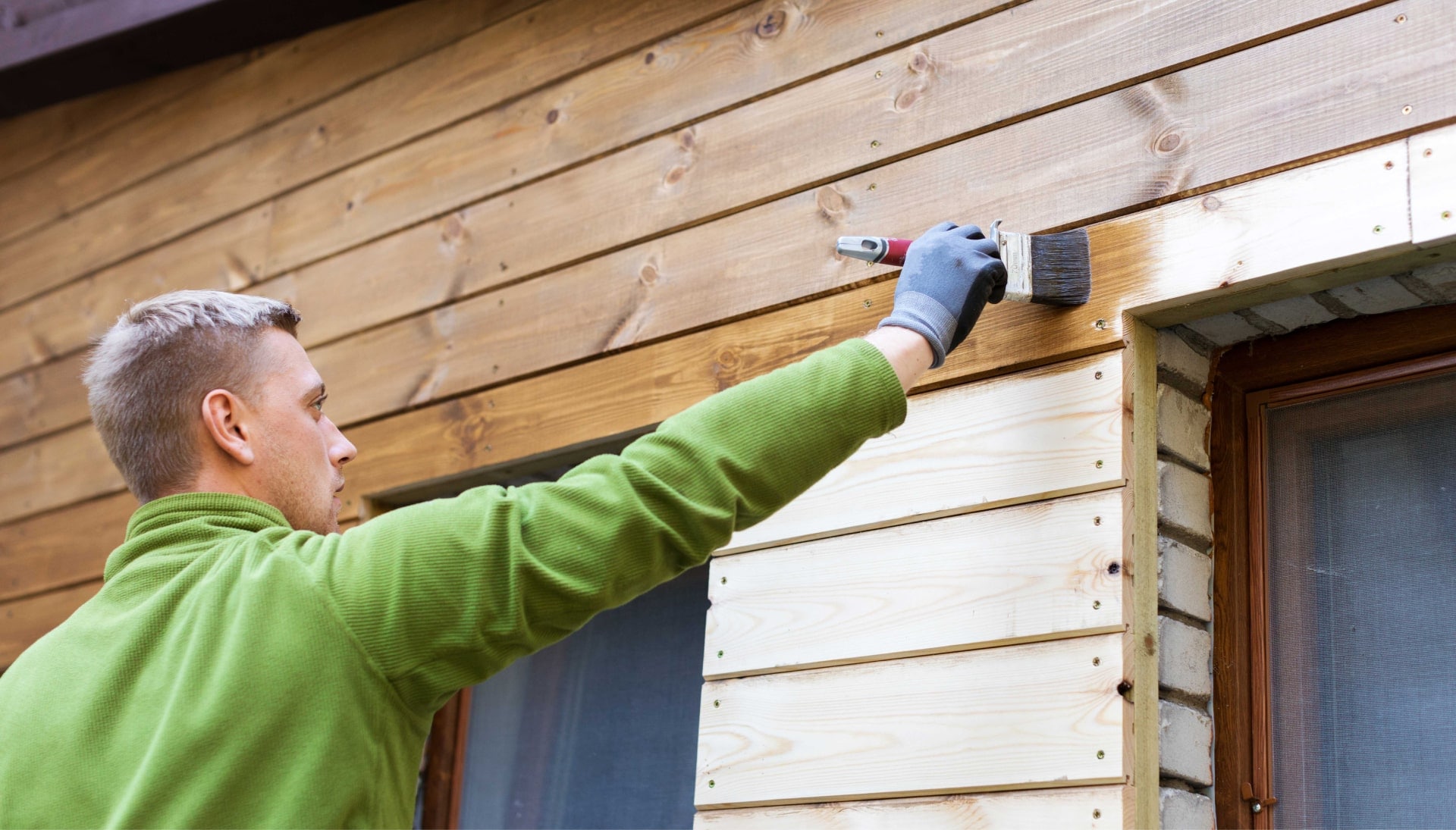
Get In Touch!
For a detailed quote, you can fill out the contact form here and provide the details of your home or commercial paint Long Island job. Our partners offer both interior painting and exterior painting services for the greater Long Island area. One of our friendly partners will get in touch with you to schedule a time to come out and look at the property in person to provide a detailed estimate.
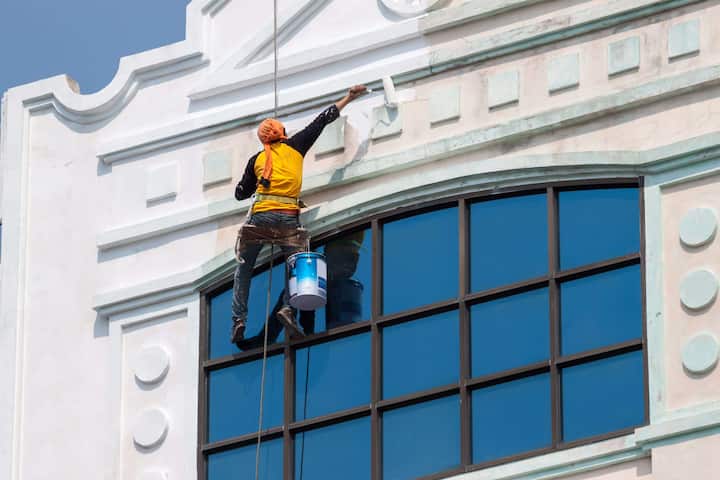
Commercial painting
Besides offering residential paint jobs, our partners also cover the commercial front, transforming the look and appeal of your retail stores, offices, and storefronts.
Over the years, our network partners have learned about the tips and tricks of making a paint job lasting long. That’s exactly what they’ll practice when you hire them for a commercial painting company job in Long Island .
To learn more about professional commercial painting services of Long Island, give our representatives a call.
CommercialPressure washing
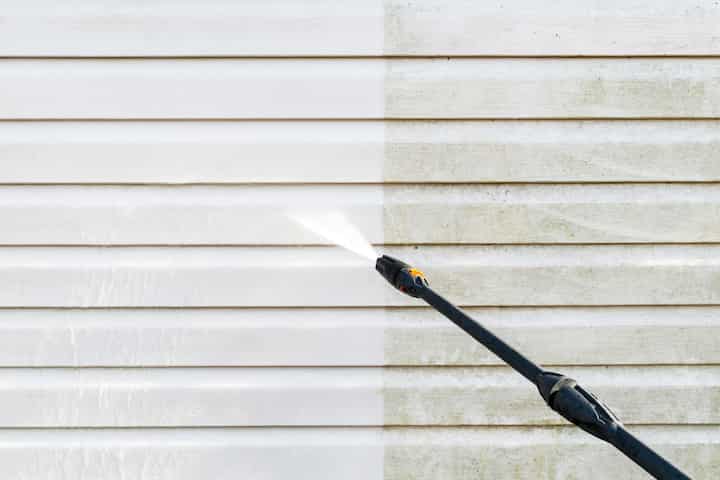
Besides interior painting, our partners also offer pressure washing services in Long Island to make your home look immaculate. By washing everything from your exterior house, driveways, siding, and decks to other exterior areas, they’ll make sure your property looks as good as new.
Furthermore, their pressure washing services will also help eliminate mold, chalk, insects, algae, weeds, and other unwanted substances from the exterior of your Long Island property.
Take our advice and don’t give in to the temptation of pressure washing the yard or deck yourself as the pressure washer rents are quite costly, and the machines are difficult to operate. Plus, fueling the machine, cleaning it, getting it ready, and leaving it back at the rental will eat up all your time. Instead, leave this job to us, and we’ll get even the most stubborn spots out of your driveways and pathways.
Apart from brightening up your home, pressure washing also makes it sanitary for your kids and pets. Moreover, pressure washing is often a prerequisite for a new paint job.
Homeowners are often unaware of the sensitivity of different materials to certain cleaning chemicals. That’s why you may end up damaging the existing job by using an abrasive cleaner during exterior painter’s pressure washing.
Our network efficiently takes the task off your hands, using the right methods and chemicals for cleaning particular materials and areas in your house.
Trusted drywall repairs in Long Island
Nothing gapes at your guests like a hole in the ceiling or a crack in the wall. Neglecting these damages will only worsen them in the long run, increasing the cost for subsequent projects. On the contrary, the sooner you give us a call for drywall repairs in your Long Island home, the more convenient it will be for us to manage it.
Whether you want them to fix a tear in the wall or apply final touches to a remodeling job, our partners can do it all efficiently since our staff has been trained for the operations. Over the years, our handymen have seen every kind of damage drywall is expected to sustain.
That’s why they’re equipped to take on any drywall repair task, from doorknob holes and mice damage to settling cracks and moisture damage. Here are the drywall repairs our partners excel at performing:
- Fixing Holes: Holes may be caused due to forceful impact or someone bumping into the wall. Whether it’s a crater or a small puncture, they can fix it all.
- Removals: Removing wallpaper, tiles, and mirrors can leave the drywall damaged. They fix them like there was no damage there in the first place.
- Water Damage: Water damage is a result of leaking pipes and can lead to health problems as well. Therefore, you should get in touch with us as soon as you notice moisture-led damage, and we’ll fix everything from loosened joints to cracks.
- Furniture Scuffs: Dragging furniture across the rooms carelessly can create pencil-like scuffing or holes on the drywall. Our repairmen can patch it up in a jiffy!
Steps of the painting process
For your Long Island paint project, our partners follow the given steps to ensure the longevity of the paint job:
Sanding
Initially, our partners begin painting by sanding the surface, smoothing it out to have a clean slate to work on. During this step, the remnants of the previous paint job are removed to prepare the interior or exterior walls for a new paint job.
Priming
In the priming process, our house painters apply an undercoat to prepare the wall for painting. A primer allows the paint to adhere properly to the surface, enhancing protection and durability.
Painting a wall without priming it first requires more coats of paint. Additionally, the paint won’t stick durably to the wall without a primer to hold it together.
Prepping
Before painting the space, our professional painting contractors in Long Island New York prep the room to prevent any unnecessary mess. Professional painters start by moving the furniture to the room’s center and covering it with plastic cloths.
For the floors, drop cloths are typically used as plastic is rather slippery, hindering the process of painting.
Next, the contractors cover the fans and lights to keep them paint-free. For the switches, they use tape to cover them up. When painting the ceilings, they also cover the hanging fixtures, fans, and pendant lights.
Finally, they cover the doorknobs with painter’s tape and get to work. By the time they’re done, your room won’t have a speck of paint out of place.
Repairing
If any holes or cracks in the drywall need to be repaired, the contractors will do that before painting. Our network of house painters in Long Island patch up your drywall, preparing a smooth canvas for themselves to work on.
Painting
Finally, house painters in Long Island begin the painting process and finish it up in the timeline they give you during the initial consultation.
Painting a baseboard is not the same as painting a bathroom. Being a novice, you might not know that, but we, the industrial experts, are aware. That’s why Long Island house painters will analyze a surface and choose the most suitable type of paint and technique to paint it.
Painting techniques to ensure a flawless finish
Having worked in the paint industry for a significant period, our partners are adequately knowledgeable about the right painting strategies to ensure a flawless finish in interior and exterior projects.
First off, our partners do a thorough inspection of your property to ensure impeccable preparation. During this step, they check for flaking sections in the wall, peeling, cracking, and areas that may need to be scraped or sanded.
Here are some other techniques they follow to make sure the paint job is done to perfection:
High-quality tools
Our partners use high-quality painter’s tape, roller covers, and brushes for the paint job. When it comes to choosing the tools, pinching pennies is of no use as it will only increase the follow-up expenditure.
Good brushes offer excellent coverage, minimizing the need for re-application and saving time. Plus, a high-end painter’s tape is efficient in sealing blurs and drips to prevent any mess in the room.
Priming Is a must
Unlike some other painting contractors Long Island, our partners focus immensely on priming because they know this is not a step to miss. They use regular primers for walls that have a smooth surface and bonding primers for challenging surfaces, such as high-gloss paint or glass.
Boxing the paint
During the initial inspection of your property, our partners make a realistic estimate of the amount of paint we’ll need. Then, they get the paint in a large container rather than separate gallons.
The process is industrially called boxing the paint and allows the color to remain consistent throughout the room.
High-quality paint
We’ll let you in on a secret. Cheap paints aren’t the same as the high-quality ones because they have lesser solids in them. Thus, they can’t be used as substitutes.
That’s why our partners use industry-leading paints on your walls that will last long and not chip away easily.
Cleanup
Although professional painters won’t create a lot of mess during painting, if there are bits and scrapes to be cleaned, they do that before leaving your premise.